


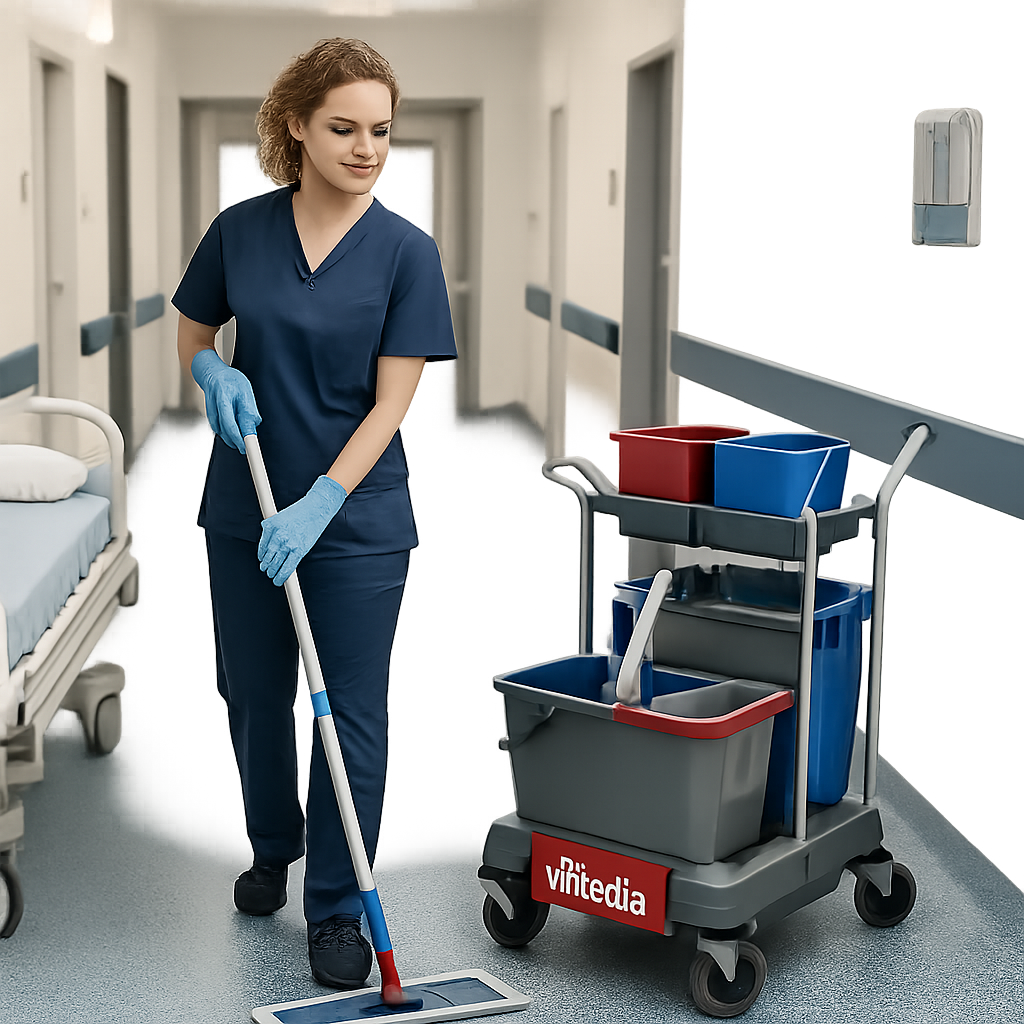

Cleaning with Precision in Controlled Environments
Controlled environments—cleanrooms, pharmaceutical plants, medical device manufacturing and research labs—demand absolute control over particles and microbes. In these spaces, the purpose of cleaning is to protect products, processes and people by minimizing contamination risk. This post explains how to design a validated cleaning system that achieves precision, consistency and compliance.
Understand the risk and the standard
Begin with the classification of the controlled area (e.g., ISO classes for cleanrooms) and define allowable particle counts and microbial limits. Collaborate with QA and production to map critical zones and traffic flow. Choose tools and textiles certified for low lint and chemical compatibility. Document contact times, wipe patterns and change-out frequency for each task.
Build the right toolkit
Low-lint, pre-validated microfiber cloths and mops capture particles efficiently without shedding. Autoclavable frames and handles enable sterilization where required. Pre-prepared systems prevent dilution errors and reduce liquid handling inside the cleanroom. Color-coding or barcode tracking ensures tools never cross from lower to higher-grade areas.
Procedural control
Write clear SOPs covering gowning, tool introduction, cleaning sequence (top to bottom, clean to less clean), and waste removal. Train operators with demonstrations and supervised practice. Use checklists at the point of work; keep them brief and visual to minimize cognitive load. Document completion with electronic batch records where applicable.
Monitoring and continuous improvement
Verify surface cleanliness with regular environmental monitoring: particle counts, settle plates or contact plates. Trend results against events (maintenance, staff changes, production shifts) to detect systemic issues. Conduct root-cause analysis for any out-of-specification result and update SOPs or training accordingly. Continuous improvement is essential to stay compliant as processes evolve.
Safety and ergonomics
Working in controlled environments can be physically taxing due to PPE and movement restrictions. Choose lightweight, maneuverable tools that reduce effort in repetitive motions. Design trolley setups that minimize touches and make it easy to maintain segregation between clean and less clean items.
Outcome: A validated, microfiber-based, pre-prepared cleaning program strengthens compliance while improving operator efficiency—delivering predictable results in the most demanding spaces.
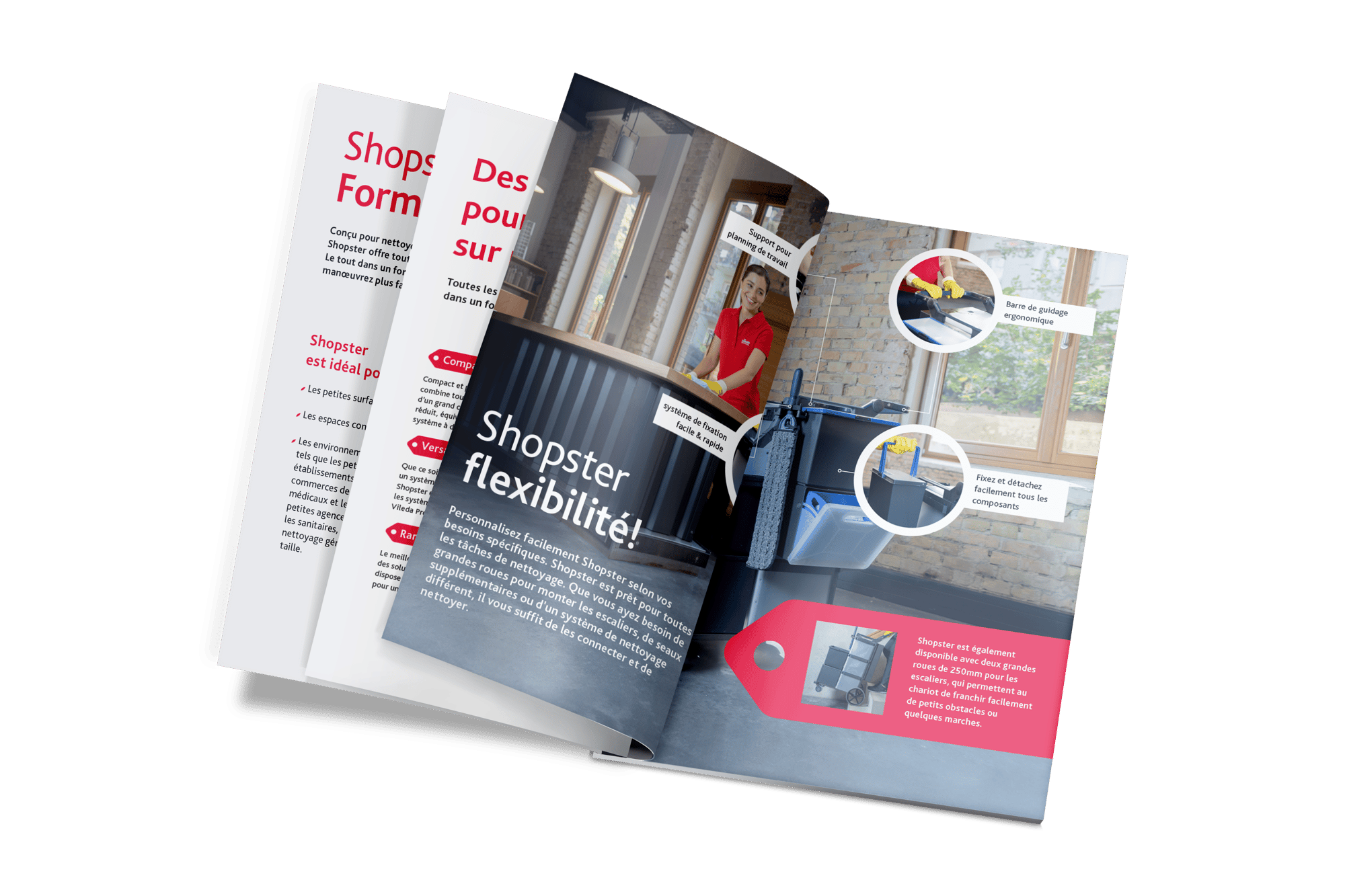
Featured product
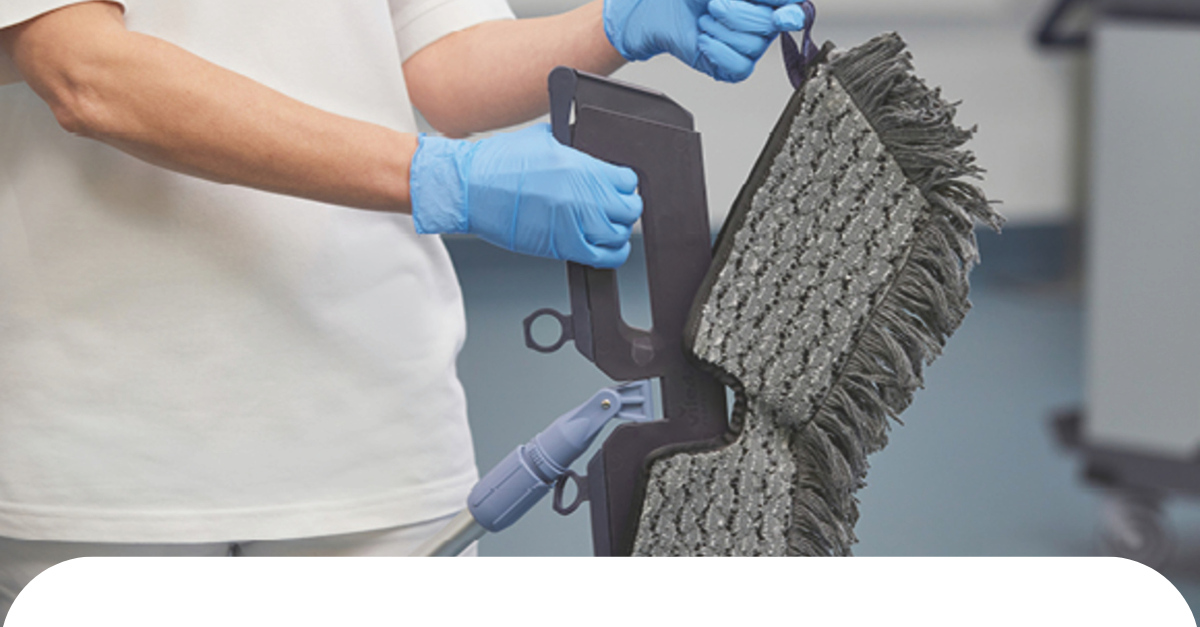
UltraSpeed Mini Starter Kit
Small and compact system with 10 L bucket and bionic press wringer.
 Linkedin
 X
X
 Facebook
Read more

Boosting Hygiene Standards in Healthcare Facilities
Boost your healthcare facility's hygiene standards with a well-structured blog post. Learn how to organize, engage, and ...
 Blog
Blog
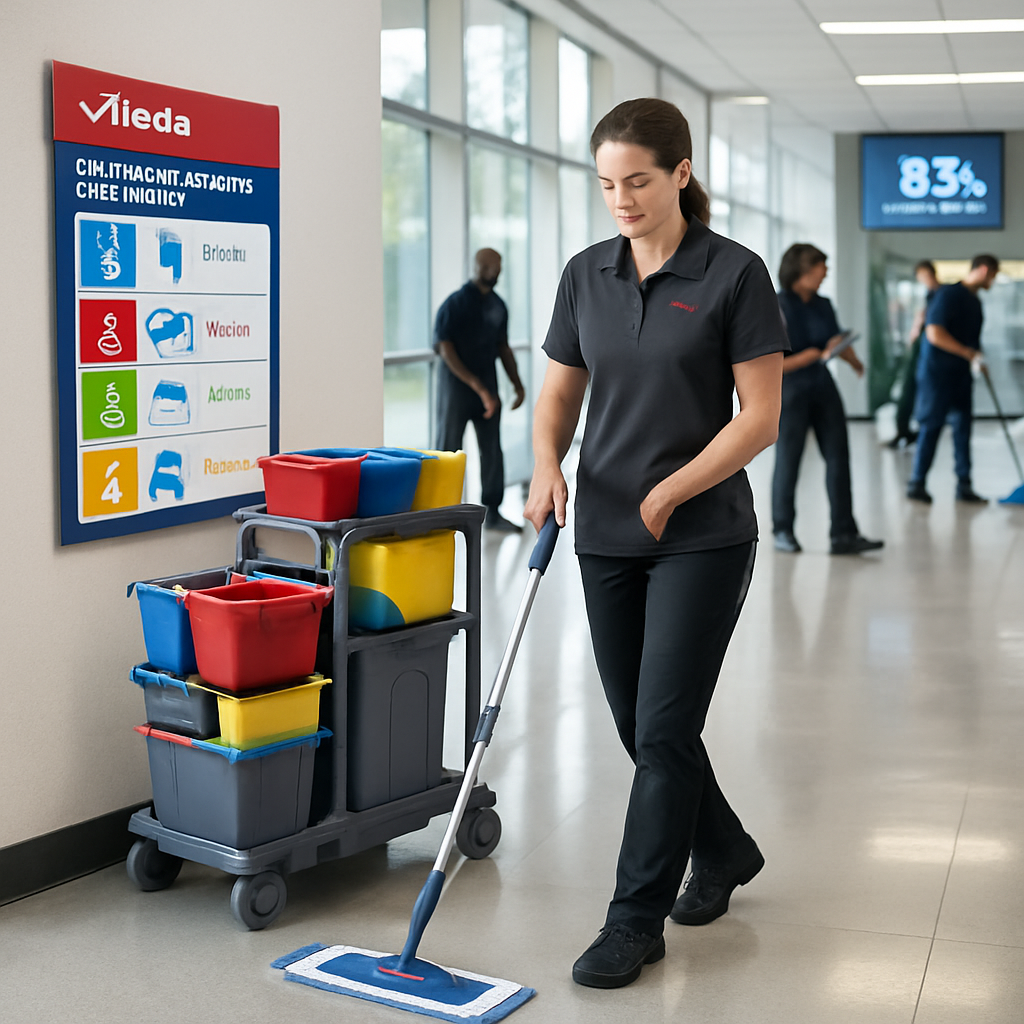
Case Study: Raising Cleaning Efficiency by 25%
A practical case study showing how standardized methods and ergonomic tools improved cleaning efficiency by 25%.
 Blog
Blog
Greener by Design: Sustainable Professional Cleaning
A practical roadmap to reduce water, chemical use and waste while improving professional cleaning results.
Stay Ahead in Professional Cleaning
Get practical insights, industry trends, and proven solutions delivered to your inbox.