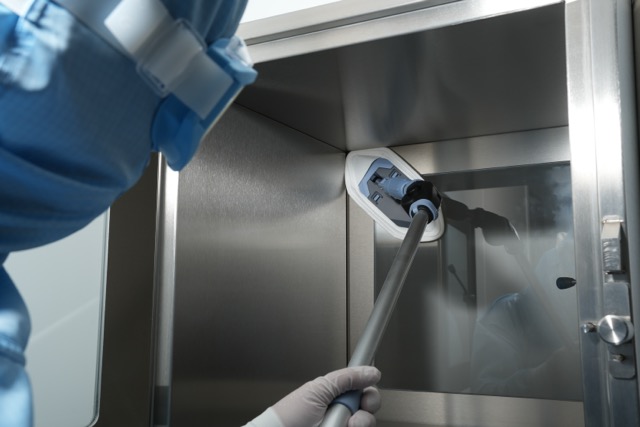
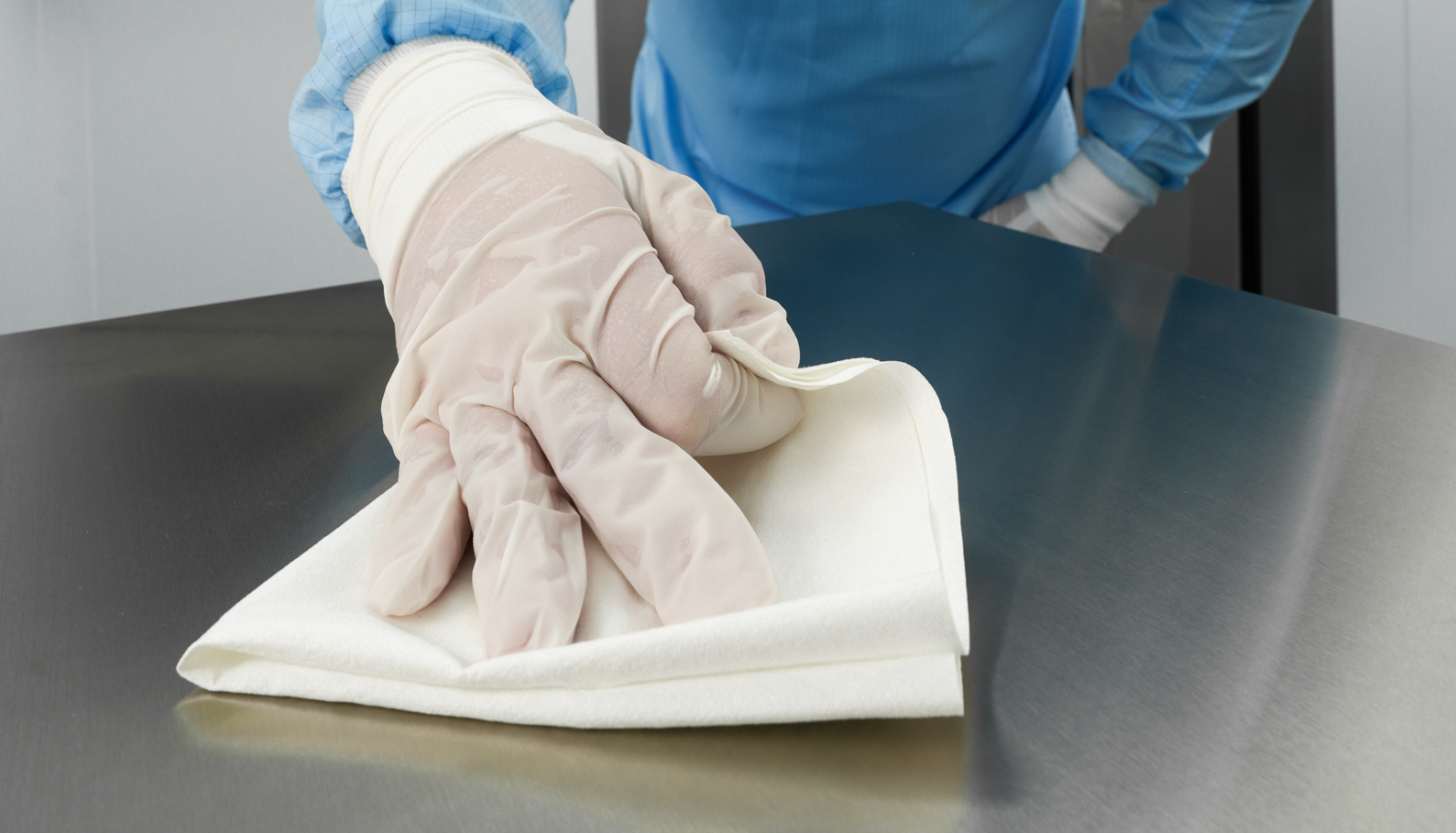
Rethinking Material Selection in GMP Cleanroom Equipment
In pharmaceutical cleanrooms, there is a common assumption that stainless steel is the default material for all equipment used in controlled environments.
While stainless steel is important for fixed installations and structural components, this assumption is often extended to mobile cleaning equipment where the design requirements are very different.
In practice, material selection should be based on intended use, validated performance, and process compatibility, rather than default preference.
Stainless Steel vs Engineering Polymers
In cleanroom cleaning applications, different materials are selected based on functional requirements under controlled conditions.
Stainless steel offers high mechanical strength and durability. However, it is not the only material capable of meeting cleanroom requirements.
Engineering polymers (such as polypropylene, PP) and aluminium are widely used in validated cleaning systems because they can provide:
- Reduced weight, improving handling and ergonomics
- Lower operator fatigue during repetitive cleaning tasks
- Good chemical resistance when tested against defined disinfectant regimes
- Compatibility with sterilisation processes where applicable
Ergonomics is a relevant factor in contamination control, particularly in repetitive GMP cleaning operations where operator consistency directly affects execution quality.
Validation and Documentation
Material selection alone does not determine suitability for cleanroom use.
For example, cleanroom cleaning systems designed with polypropylene (PP) and aluminium components are developed to meet controlled environment requirements while maintaining functional usability and durability.
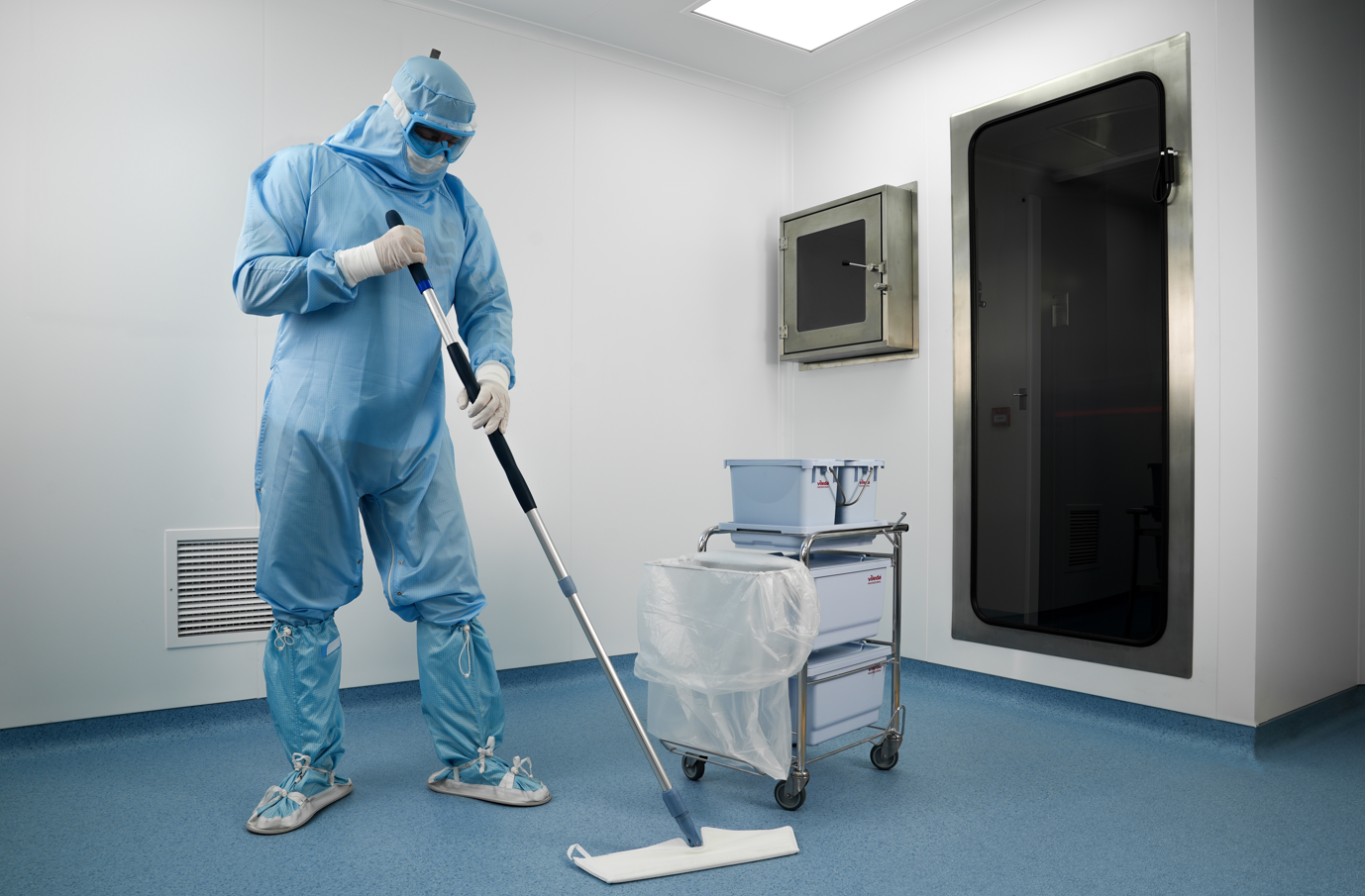
In addition, stainless steel trolley systems are often combined with polymer-based buckets to balance structural strength with operational efficiency and handling ease.
Selected systems are validated for repeated sterilization cycles, including minimum 80 autoclave cycles, depending on configuration.
Risk-Based Material Selection
Cleanroom equipment selection should follow a risk-based approach aligned with GMP principles:
- Intended application and criticality of use
- Compatibility with cleaning and disinfection agents
- Mechanical performance over the validated lifecycle
- Impact on operator handling and process consistency
From this perspective, material choice becomes part of an engineered system design rather than a default assumption.
Closing Thought
In controlled environments, suitability is not defined by material perception.
It is defined by validated performance, documented compatibility, and consistent execution under real operating conditions.
The key question is not whether stainless steel is used, but whether the system is fit for its intended purpose within a validated process.


 Article
.webp?width=580&height=435&name=CE-MultiSurface-Cleaner-Tool-Bend%20(1).webp)

 Linkedin