


Ergonomics and Training: The Human Side of Cleaning Efficiency
Behind every spotless space is a professional who moves, reaches, lifts and concentrates for hours. Cleaning efficiency therefore depends on human factors as much as on tools and schedules. This post shows how ergonomic equipment and practical training reduce injuries, increase consistency and unlock sustainable productivity gains.
Why ergonomics matters
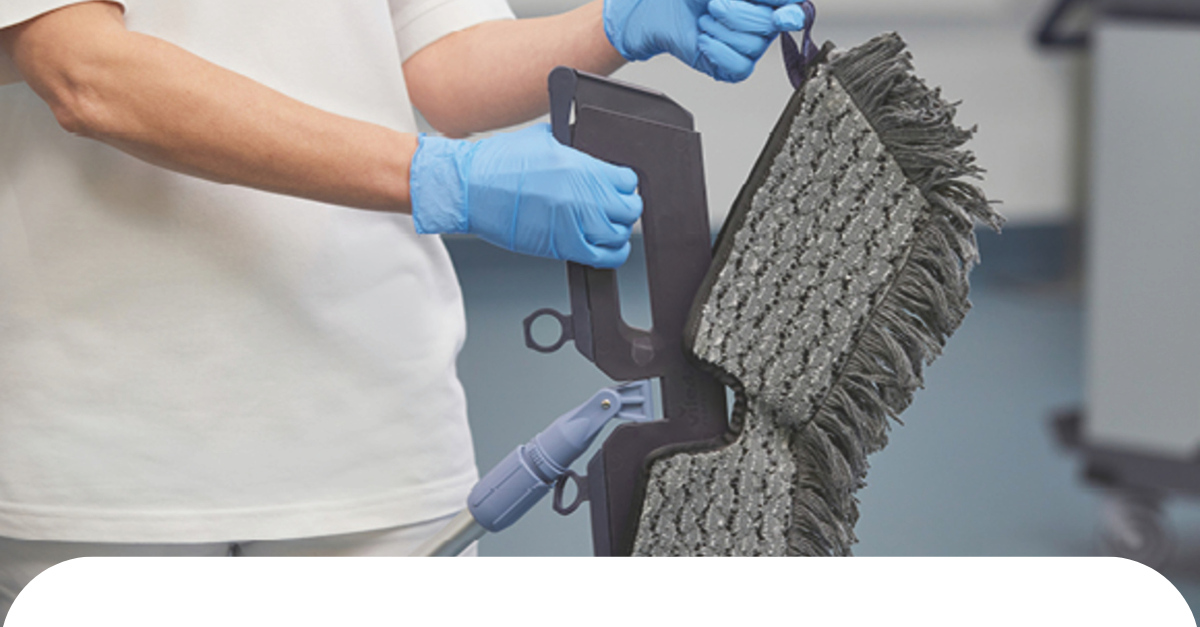
Cleaning involves repetitive motions that stress shoulders, wrists and lower backs. Over time, micro-strain turns into lost time and turnover. Ergonomic poles adjustable to user height, lightweight frames and low-friction textiles cut effort per stroke. Swivel heads reduce awkward twisting while improving edge and under-furniture access. When effort drops, technique improves—and so does quality.
Designing training that works
Adults learn best by doing. Replace long lectures with short demonstrations, practice rounds and immediate feedback. Teach sequence (clean to less clean, high to low), contact times for disinfectants, and safe body mechanics. Certify techniques with a simple checklist. Reinforce with QR video snippets posted on trolleys so refreshers are on hand during the shift.
Culture and motivation
Recognition fuels consistency. Highlight audit successes and customer compliments in weekly huddles. Give teams ownership by inviting them to improve SOPs based on on-the-ground realities. Small upgrades—like reorganizing a trolley layout based on reach frequency—create pride and reduce wasted motion.
Linking people metrics to outcomes
Track injury rates, absenteeism, and training completion alongside productivity. Sites with better people metrics almost always deliver better cleaning outcomes. Use this data to justify investments in ergonomic gear and paid training time; the ROI shows up quickly in fewer missed shifts and faster work.
Bottom line: Tools move cloth across surface, but people move tools. Support your teams and efficiency will follow.
Featured product
UltraSpeed Mini Starter Kit
Small and compact system with 10 L bucket and bionic press wringer.

Read more
Greener by Design: Sustainable Professional Cleaning
A practical roadmap to reduce water, chemical use and waste while improving professional cleaning results.
Standardizing Cleaning Across Multiple Sites
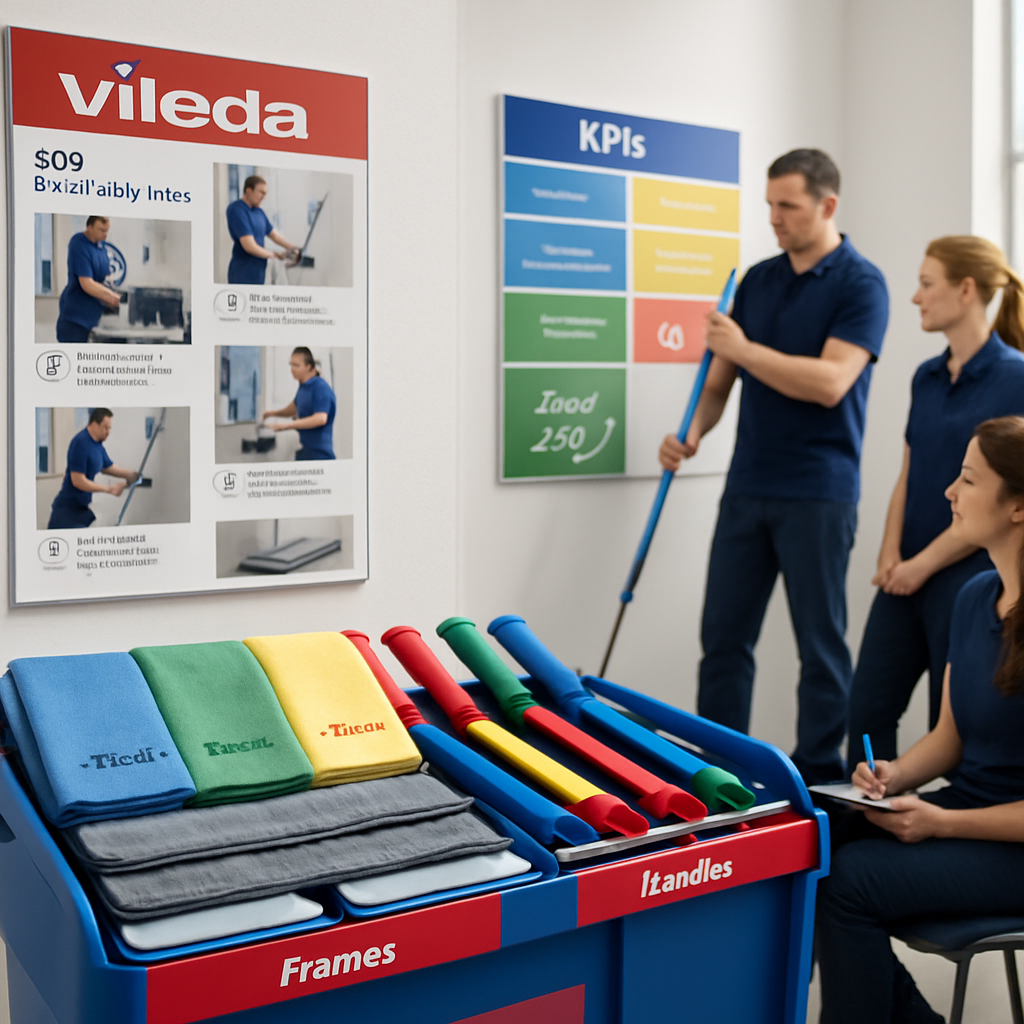
How to build a common toolkit, visual SOPs and coaching audits to unify cleaning across locations.
Cleaning KPIs: What to Measure and Why It Matters
Define quality, productivity and people KPIs that turn cleaning activity into measurable, improvable performance.
Stay updated
Lorem ipsum dolor sit amet and select amet tempor venenatis tellus id.