Cleanliness That Shapes Guest Experiences
In hospitality and foodservice, cleanliness is the most visible part of quality. Guests judge a property or restaurant within seconds, and hygiene drives many of the reviews that determine reputation and revenue. From back-of-house kitchens to front-of-house lobbies and guest rooms, professional cleaning systems protect food safety, boost operational efficiency, and create spaces that feel genuinely welcoming.
Hygiene as a competitive advantage
Foodservice operations must comply with rigorous regulations while operating at speed. Grease, protein residues and allergens require the right chemistry and textile pairing to remove rather than spread contaminants. In guest areas, floors, handles, elevators and restrooms are high-touch hotspots. Fresh scent, visual shine and a tidy layout influence how “clean” is perceived, but true cleanliness depends on removal of soils and microorganisms. Using standardized microfiber methods improves both the visible and the invisible side of hygiene.
Tools designed for hospitality work
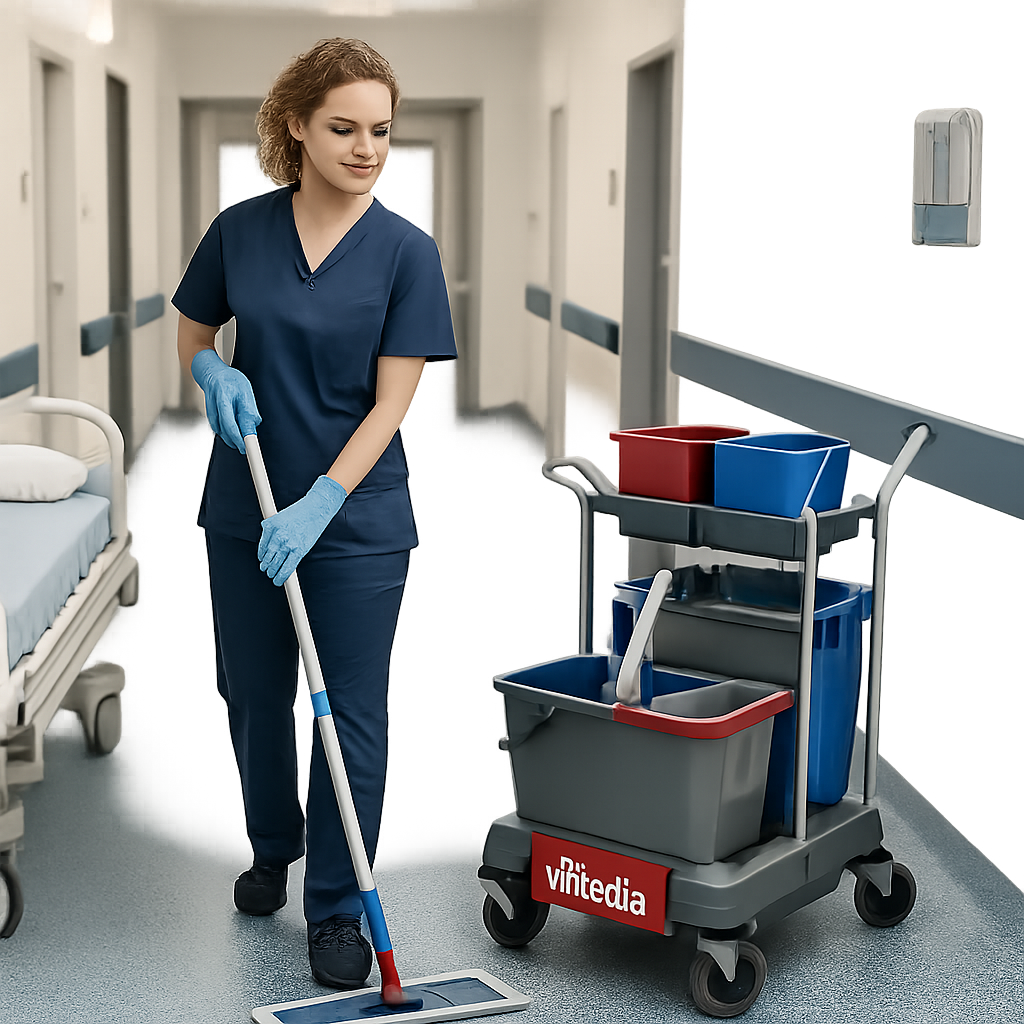
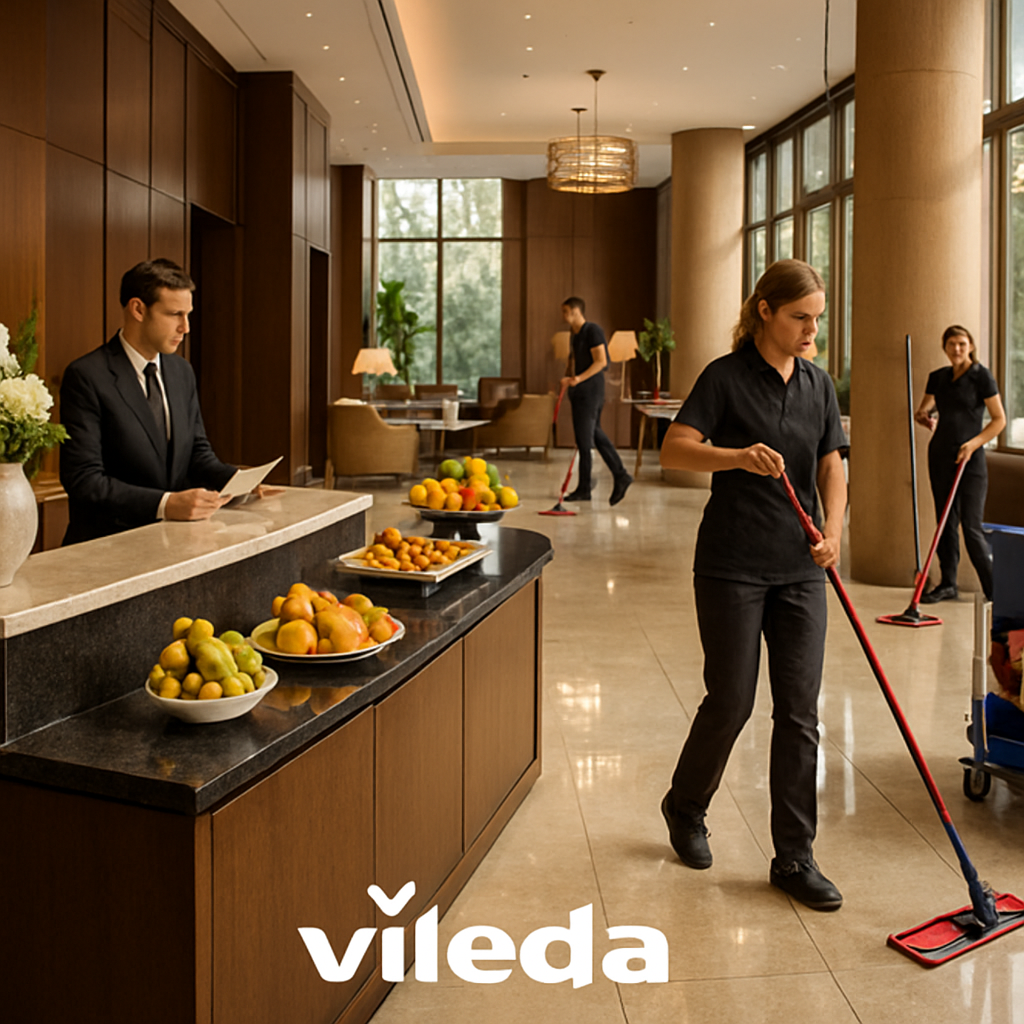
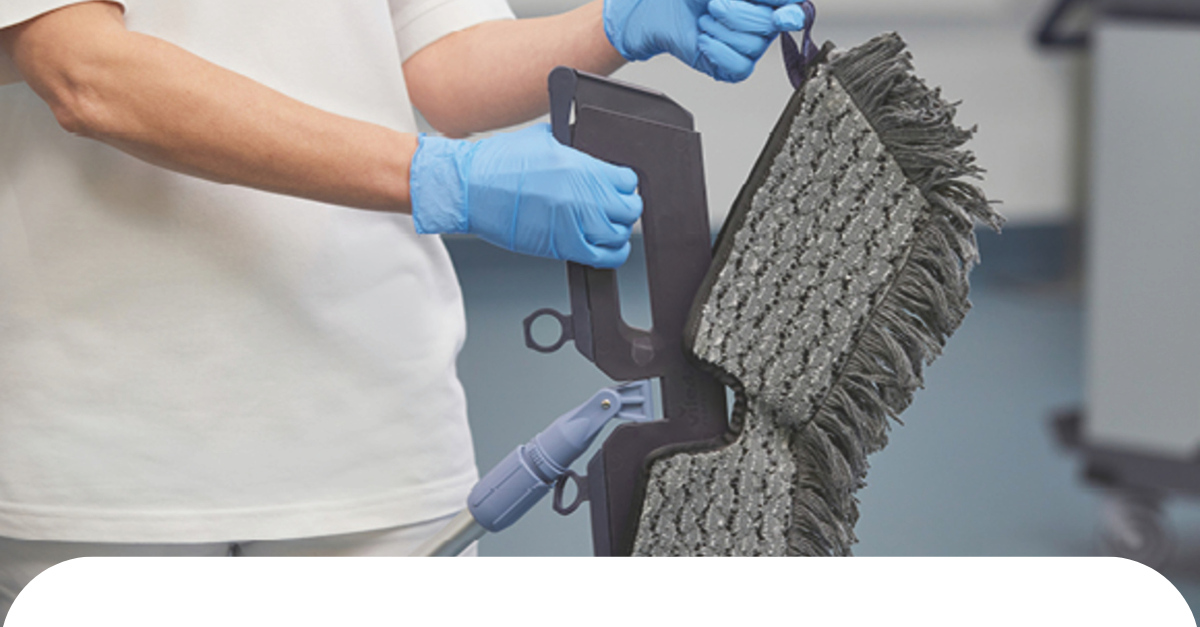
Pre-prepared flat mops and cloths reduce time between tables or room turns. Ergonomic poles help staff navigate tight spaces like under banquettes or around minibar fridges. Color-coding separates kitchen from dining and housekeeping zones. For hard floors, low-friction frames paired with high-absorbency textiles deliver fast, streak-free results without over-wetting—critical in lobbies and corridors where slip risk and guest traffic are constant.
Consistency across shifts and sites
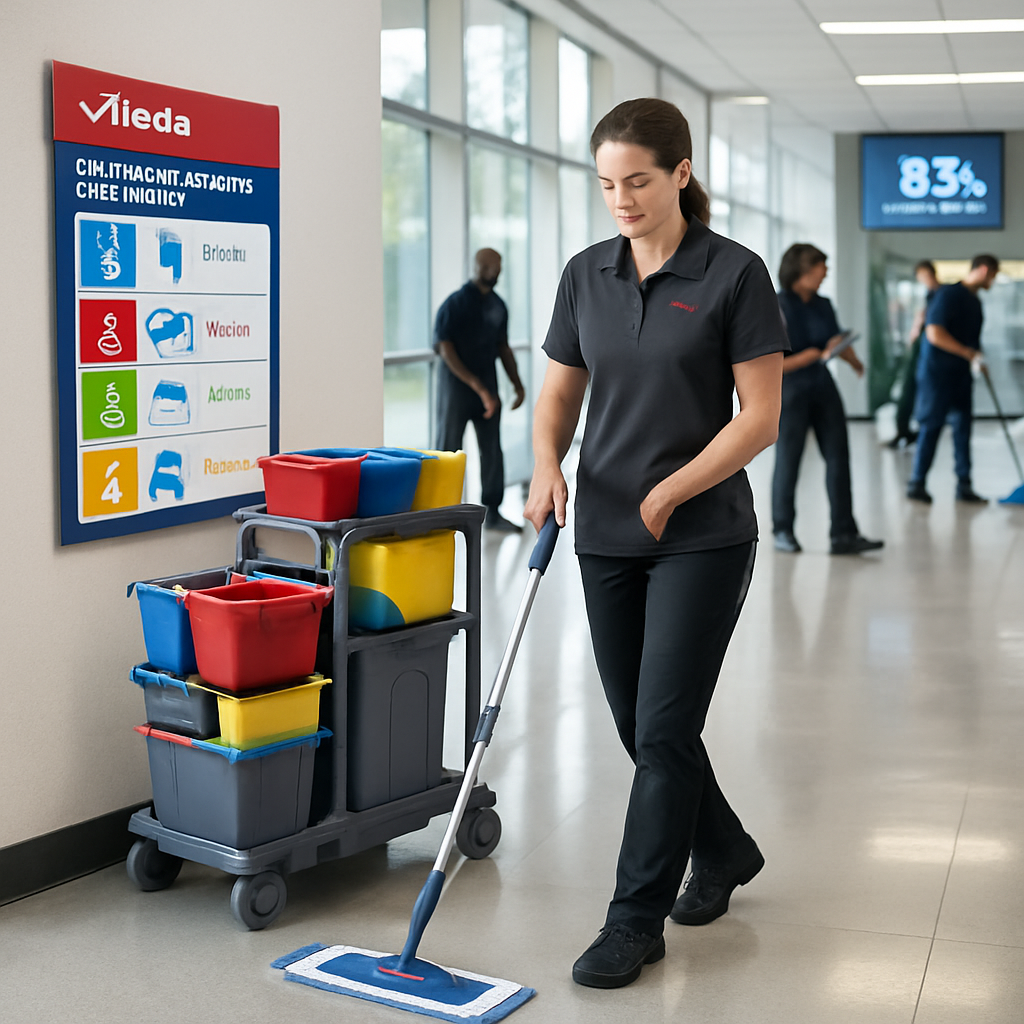
Hotels and restaurant groups often manage multiple locations with mixed experience levels. Visual SOPs, trolley layouts, and dosing guides remove guesswork. With a standard playbook, a new housekeeper can deliver the same quality as a seasoned team member by following sequence, contact time and inspection points. Group-level audits become easier because methods are comparable across properties.
Turning efficiency into experience
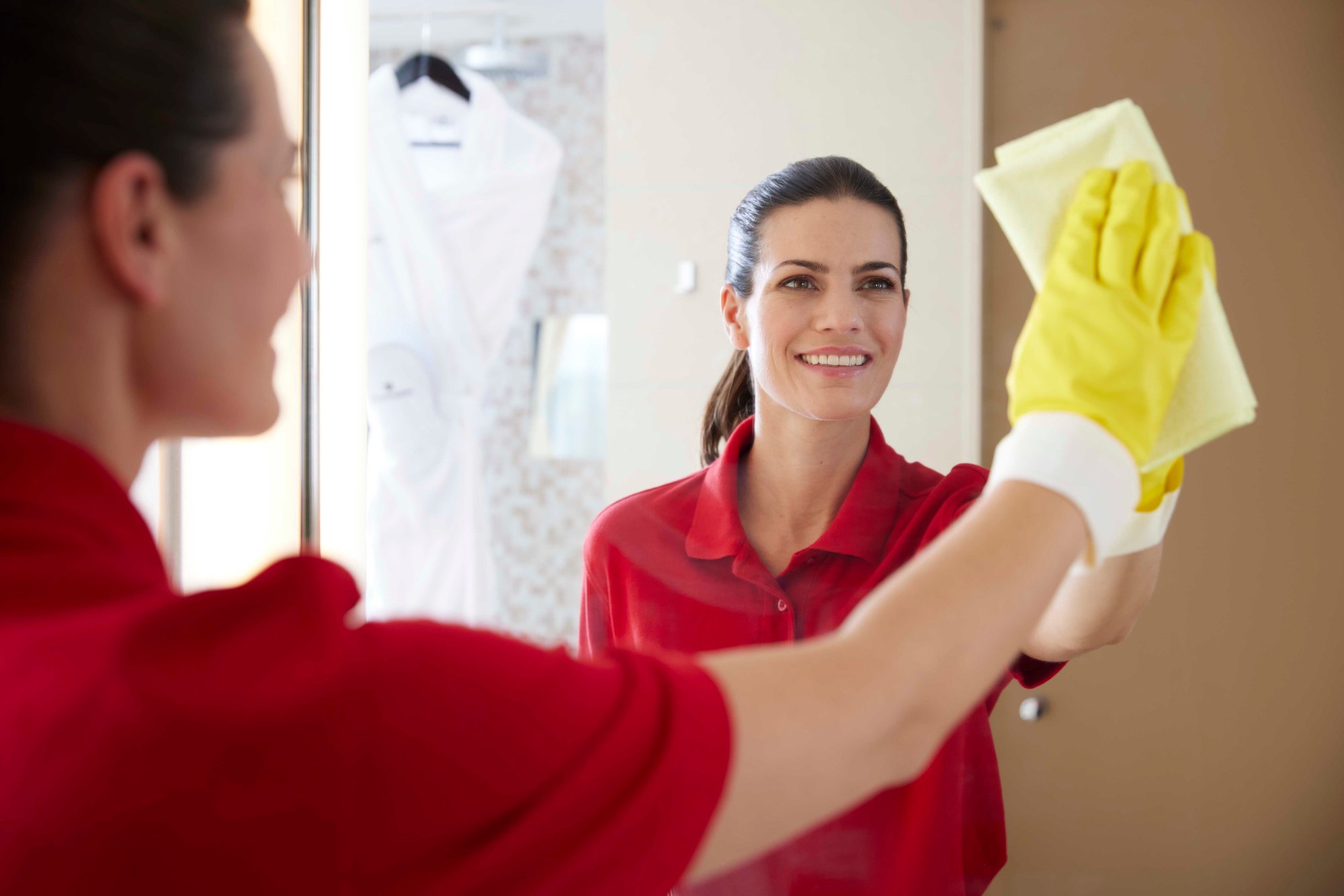
Efficiency is not only about speed; it is about freeing time for details that delight guests: an immaculate mirror, a perfectly dressed bed, or a lobby that looks crisp at all times. By cutting wasteful steps—like bucket trips or cloth rinsing—teams spend more time on high-value tasks. The result is better reviews, fewer complaints, and stronger loyalty.
Sustainability that supports the brand
Modern cleaning systems reduce water and chemical usage, aligning operations with ESG goals and guest expectations. Durable, launderable textiles and recyclable components lower waste. Communicating these efforts subtly (e.g., a note about responsible cleaning practices) reinforces brand values without compromising luxury or comfort.
Checklist to get started
- Map back-of-house and front-of-house zones; assign color-coding.
- Adopt pre-prepared microfiber systems to accelerate room and table turns.
- Create visual SOPs for kitchens, guestrooms and public areas.
- Train, certify and spot-check technique each month.
- Track reviews mentioning cleanliness to tie results to revenue.
Bottom line: Cleanliness is the most scalable way to improve guest satisfaction. With the right tools and methods, hygiene becomes a signature part of the experience.



 Linkedin
 X
X
 Facebook
 Blog
Blog