

Greener by Design: Making Professional Cleaning More Sustainable
Clients increasingly expect cleaning programs to deliver both immaculate spaces and measurable sustainability results. Fortunately, efficiency and sustainability reinforce each other. By switching to microfiber, pre-prepared methods and durable equipment, facilities cut water, chemistry and energy use while improving cleaning outcomes. This post outlines a practical, planet-positive approach.
Where the footprint comes from
Traditional mop-and-bucket methods consume significant water and chemicals, create contaminated wastewater and require frequent textile replacement. Transport and packaging add to the footprint. Modern systems attack each source simultaneously by using less liquid, enabling accurate dosing and extending product life.
Microfiber as a sustainability lever
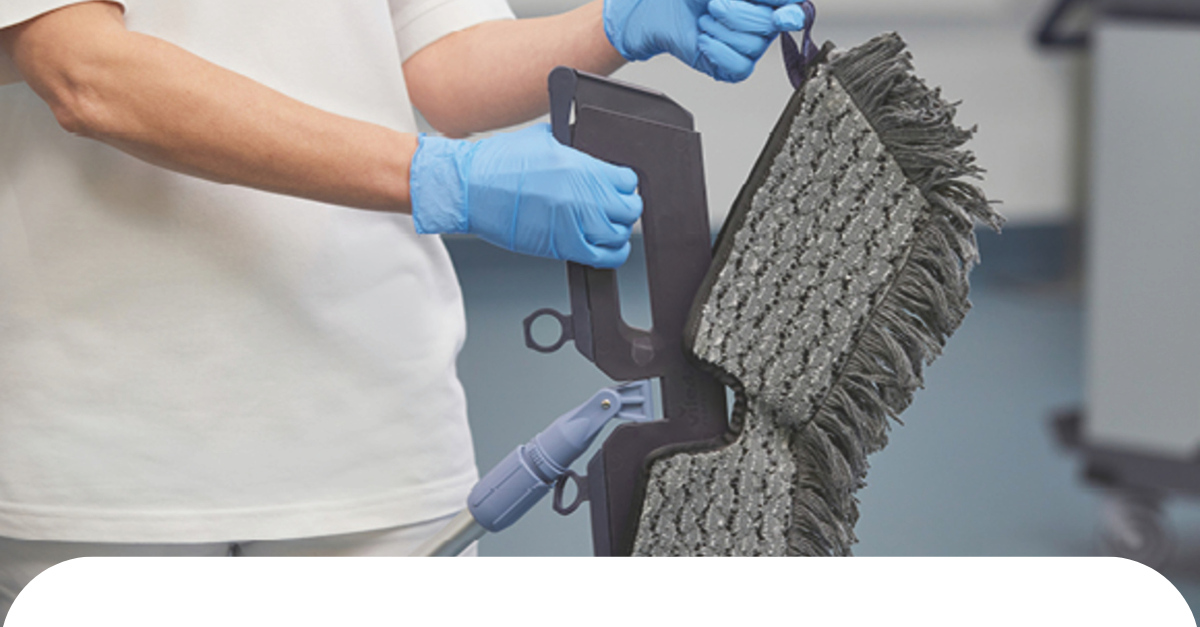
High-quality microfiber lifts and holds particles with minimal chemistry. Less liquid means less drying time and lower slip risk. Because textiles last longer, replacement cycles shrink and solid waste drops. When combined with closed-loop laundering and recycling programs, the impact is substantial.
Pre-prepared = precision
Pre-dosed mops and cloths eliminate overuse of chemicals and reduce water needs. They also standardize results, which prevents rework—another hidden environmental cost. In many buildings, pre-prepared systems alone cut water use by double digits.
Measure and communicate
Track water and chemical consumption per 1,000 m², textile life, and waste generated. Share year-on-year improvements with clients and occupants to build engagement. When people see the numbers, they support the program.
Conclusion: Sustainable cleaning is high-performance cleaning. Better for budgets, people and the planet.
Featured product
UltraSpeed Mini Starter Kit
Small and compact system with 10 L bucket and bionic press wringer.

Read more
Standardizing Cleaning Across Multiple Sites
How to build a common toolkit, visual SOPs and coaching audits to unify cleaning across locations.
Cleaning KPIs: What to Measure and Why It Matters
Define quality, productivity and people KPIs that turn cleaning activity into measurable, improvable performance.
Ergonomics & Training: The Human Side of Cleaning Efficiency
How ergonomic equipment and practical training reduce injuries, boost consistency and raise cleaning efficiency.
Stay updated
Lorem ipsum dolor sit amet and select amet tempor venenatis tellus id.