
Managing the Situation
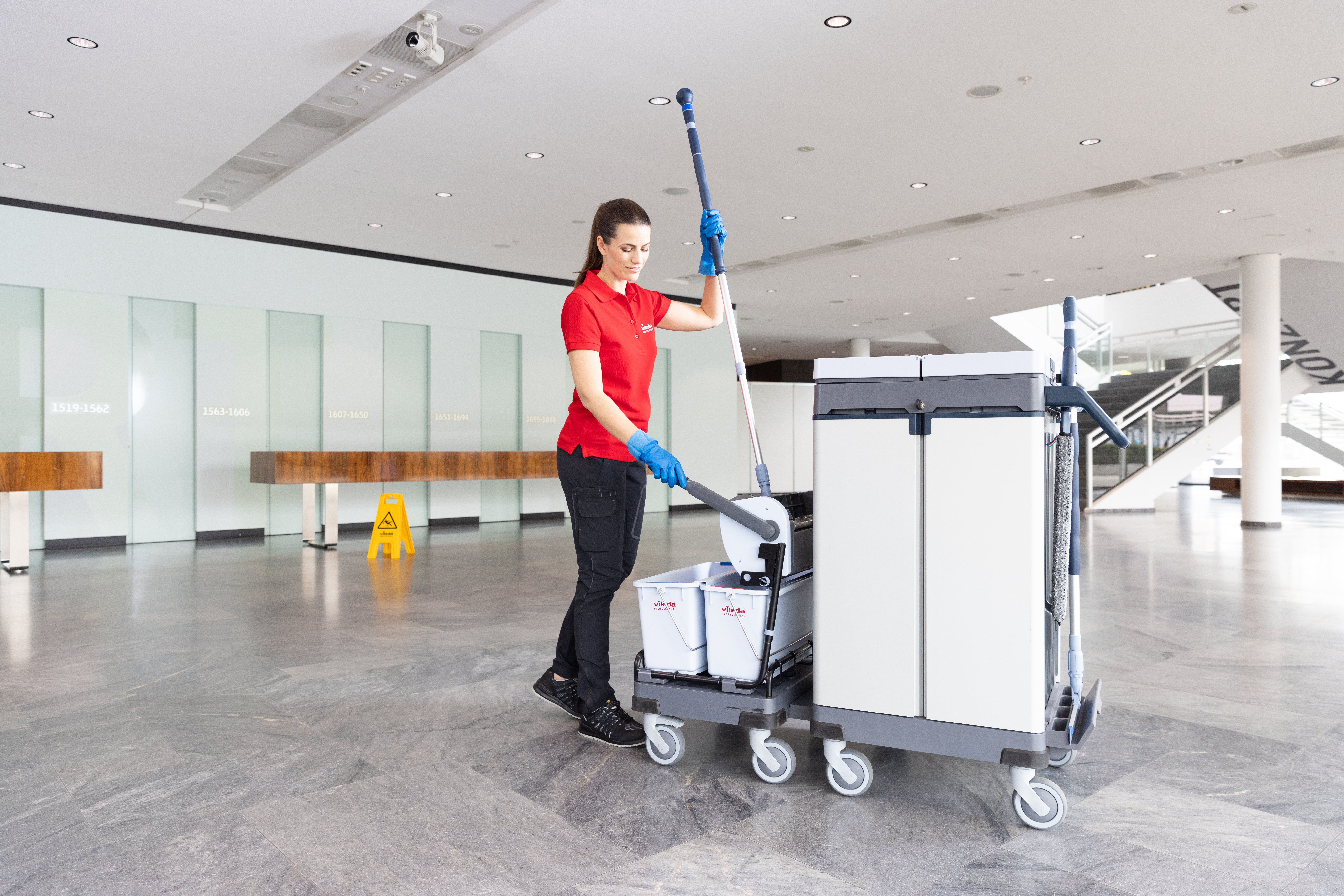
You're in the midst of your morning rounds, navigating bustling corridors filled with people. Your shift is progressing smoothly when suddenly your cleaning trolley — your mobile workstation carrying all essential supplies — begins to malfunction. The wheel catches on accumulated debris, the handle feels tacky from an overlooked spill, and an unpleasant odor emanates from the waste compartment. Now you're falling behind schedule, disrupting your carefully planned routine.
This scenario resonates with every cleaning professional. When your trolley isn't functioning optimally, it impacts more than just your timeline — it affects your workflow efficiency, ergonomic comfort, and professional performance. Consider the cumulative effect: multiple team members experiencing similar disruptions across different shifts translates into significant productivity losses for the entire operation.
This situation underscores a crucial point
A well-maintained trolley isn't merely about appearances. It's a fundamental tool that directly influences your team's ability to work efficiently and safely. In sectors where hygiene standards are paramount — such as healthcare facilities, hospitality venues, and commercial buildings — your trolley serves as an essential partner throughout every shift. Maintaining it with the same diligence you apply to your cleaning duties ensures seamless operations.
That's why maintaining your cleaning trolley's technical integrity is a daily priority that cannot be overlooked.
Essential Daily Maintenance Practices for Your Trolley
.jpg?width=1200&length=1200&name=SafePlus-Maxi-in-kitchen_1%20(1).jpg)
Dedicating a few minutes post-shift can significantly impact performance. Begin with thorough waste management: empty all compartments, replace waste bags, and ensure used cleaning materials are properly laundered. Starting your next shift with a pristine, empty trolley eliminates concerns about odors, residue, or potential contamination.
Follow this by addressing high-contact surfaces that accumulate dirt throughout service. Focus on handles, compartment lids, and storage shelves — areas that collect fingerprints, chemical residue, and environmental dust. A quick cleaning with a damp microfiber cloth effectively restores cleanliness.
Sanitization follows as a critical step. Areas experiencing frequent contact — mop compartments, waste lid edges, and trolley handles — require particular attention to prevent bacterial spread. Apply an approved disinfectant suitable for your facility's requirements.
Conclude by replenishing supplies. Nothing disrupts workflow more than discovering mid-shift that essential items like gloves, cleaning cloths, or solution refills are depleted. Immediate restocking post-cleaning ensures the trolley is fully prepared for the next user or shift.
Monthly Deep Cleaning Benefits
While daily maintenance is essential, it can't replace comprehensive monthly cleaning. Remove and individually clean all components — including buckets, storage units, and trays — to access typically hidden areas. Utilize microfiber cloths with cold water to prevent material degradation, limiting harsh cleaning agents to absolute necessities.
Wheels and casters demand meticulous attention. They accumulate hair, dust, and debris that can impede trolley mobility over time. Regular cleaning not only ensures optimal hygiene but also prevents physical strain and minimizes injury risks from sudden or unstable movements. Well-maintained wheels are essential for an ergonomically sound workspace.
Once all components are thoroughly dried, carefully reassemble your trolley, verifying that each screw, handle, and hinge is properly secured. This brief time investment prevents premature wear, maximizes equipment longevity, and maintains peak operational performance.

What Not to Do
Several common mistakes can undermine your maintenance efforts. Exceeding your trolley's weight capacity is a frequent issue. While consolidating items might seem efficient, excessive loading can compromise frame integrity, damage wheels, and unnecessarily strain your team's musculoskeletal system. A properly organized trolley should carry only shift-essential items — nothing more.
Storing components while wet is another critical error. Ensure complete drying before storage. When possible, invert buckets to prevent water accumulation and bacterial growth. Moisture left overnight can lead to unpleasant odors, metal deterioration, or contamination before the next use.
Small Habits, Big Play Offs
Effective trolley maintenance doesn't require complex procedures or costly products. Daily cleaning with microfiber cloths and plain cold water suffices. This approach effectively cleans while protecting materials — reducing dependence on harsh chemicals that may deteriorate plastic or steel components over time.
Store your trolley in a designated, secure location when not in service. This safeguards your equipment from unauthorized use, prevents supply theft, and ensures your cleaning setup remains ready for immediate deployment.

Don't delay addressing maintenance issues. Promptly repair or replace loose components, missing connections, or damaged wheels. These proactive fixes prevent more significant issues later — conserving both resources and operational efficiency.
Implementing a checklist proves invaluable. Verifying all necessary tools and supplies before beginning ensures your trolley remains complete, operational, and dependable every shift.
Why It All Matters
One healthcare facility manager shared this insight: "We previously replaced trolleys every 18 months. After implementing a basic cleaning checklist and regular maintenance protocol, our equipment lasted nearly twice as long. This represents more than cost savings — it demonstrates how proper maintenance supports facility cleanliness."
Trolley maintenance transcends mere aesthetics. It's about optimizing cost-in-use — recognizing that proper equipment care extends operational lifespan and enhances productivity. This approach reduces replacement frequency, minimizes operational disruptions, and reinforces your commitment to hygiene excellence.

When every component of your cleaning system functions optimally — from mops to trolleys — your staff can concentrate on their primary objective: creating immaculate, safe environments for all facility occupants.
Result: When tools receive proper care, your team performs their duties more efficiently and confidently.
Featured vileda professional products
.jpg?width=800&height=1200&name=178556_Shopster_Accessory_Pack_Advanced_US_Pro_Press_01%20(1).jpg)
Shopster
Fully a trolley, half the size. With the footprint of a double-bucket trolley, it’s extremely compact, offering maximum flexibility and storage, and includes lockable elements for secure storage and safety.
View Details.jpg?width=800&height=533&name=Origo2_CA_motorized_white_2%20(1).jpg)
Origo 2
The Origo 2 trolley system goes beyond carrying tools, featuring innovative design, digital integration, enhanced safety, improved hygiene, and higher efficiency, ensuring optimal cleaning performance and consistent.
View Details.jpg?width=800&height=533&name=Voleo_Pro_Twix_Press_20l_Box_01%20(1).jpg)
Voleo Pro
The VoleoPro is a compact trolley with a 0.5 m² footprint, perfect for tight spaces and designed for professional cleaning efficiency. It's easy to maneuver, store, and assemble, available in three versions: Basic, Standard, and Outdoor.
View Details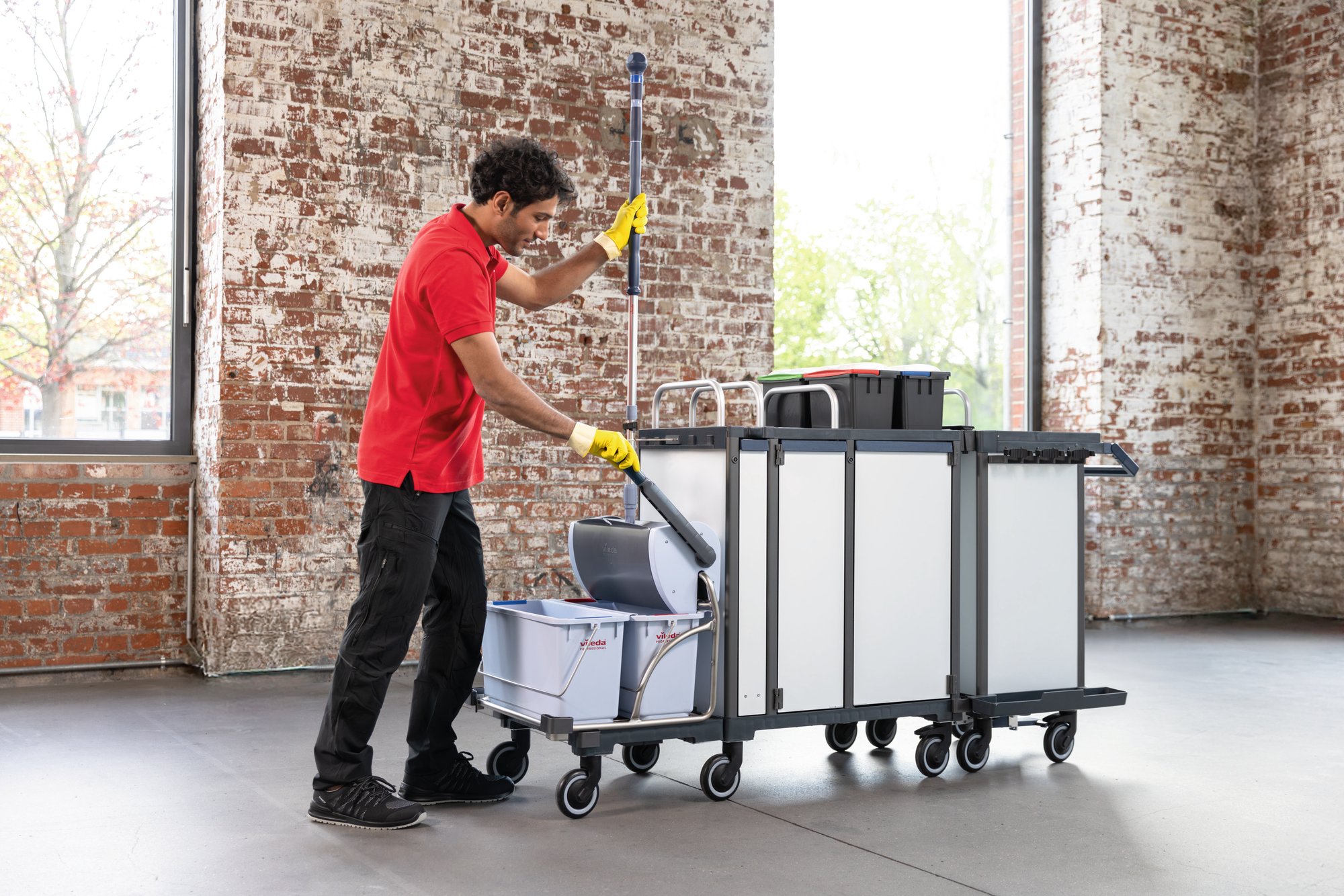
Featured product
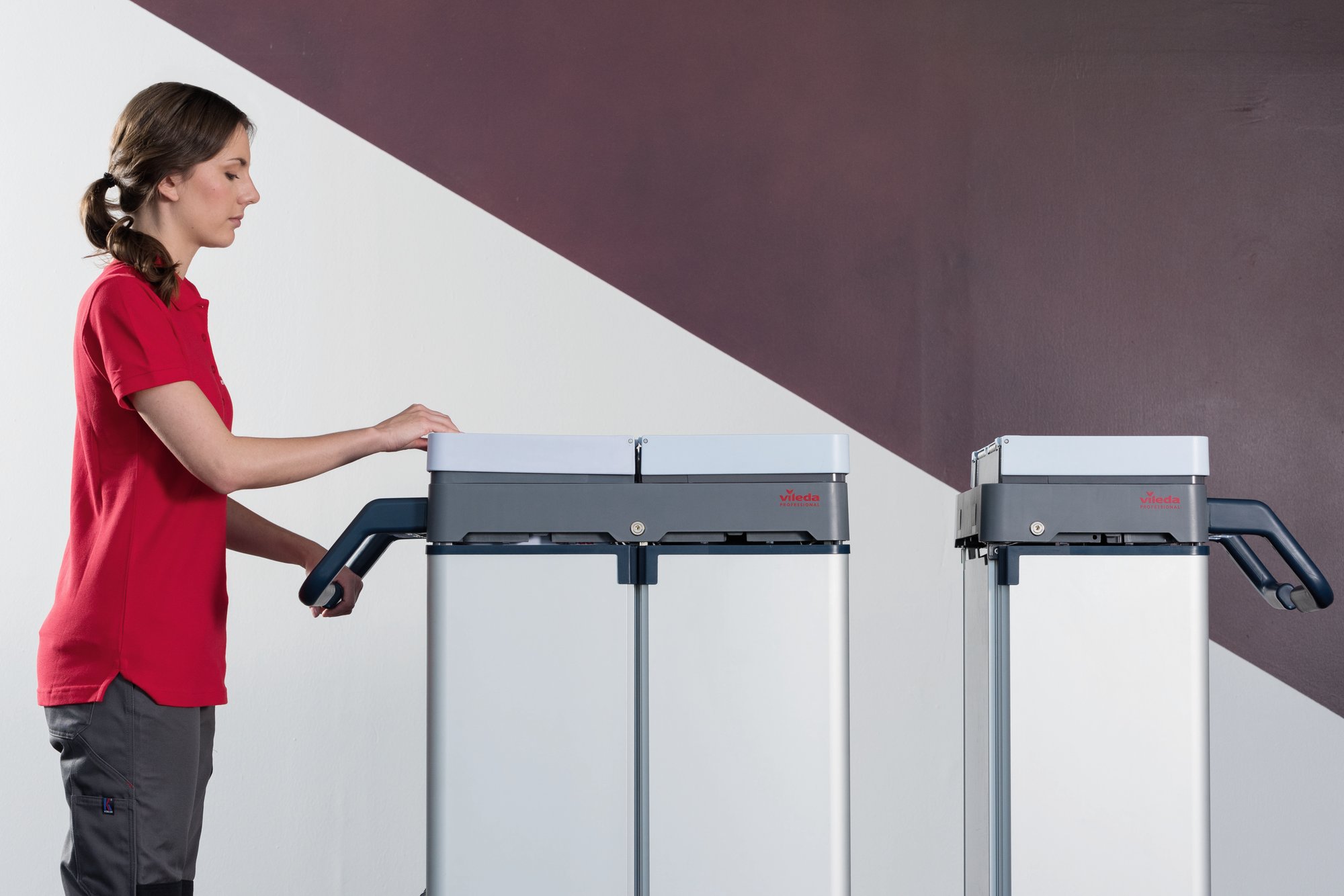
Origo 2
The Origo 2 trolley system goes beyond carrying tools, featuring innovative design, digital integration, enhanced safety, improved hygiene, and higher efficiency, ensuring optimal cleaning performance and consistent.
 Linkedin
 X
X
 Facebook
Read more
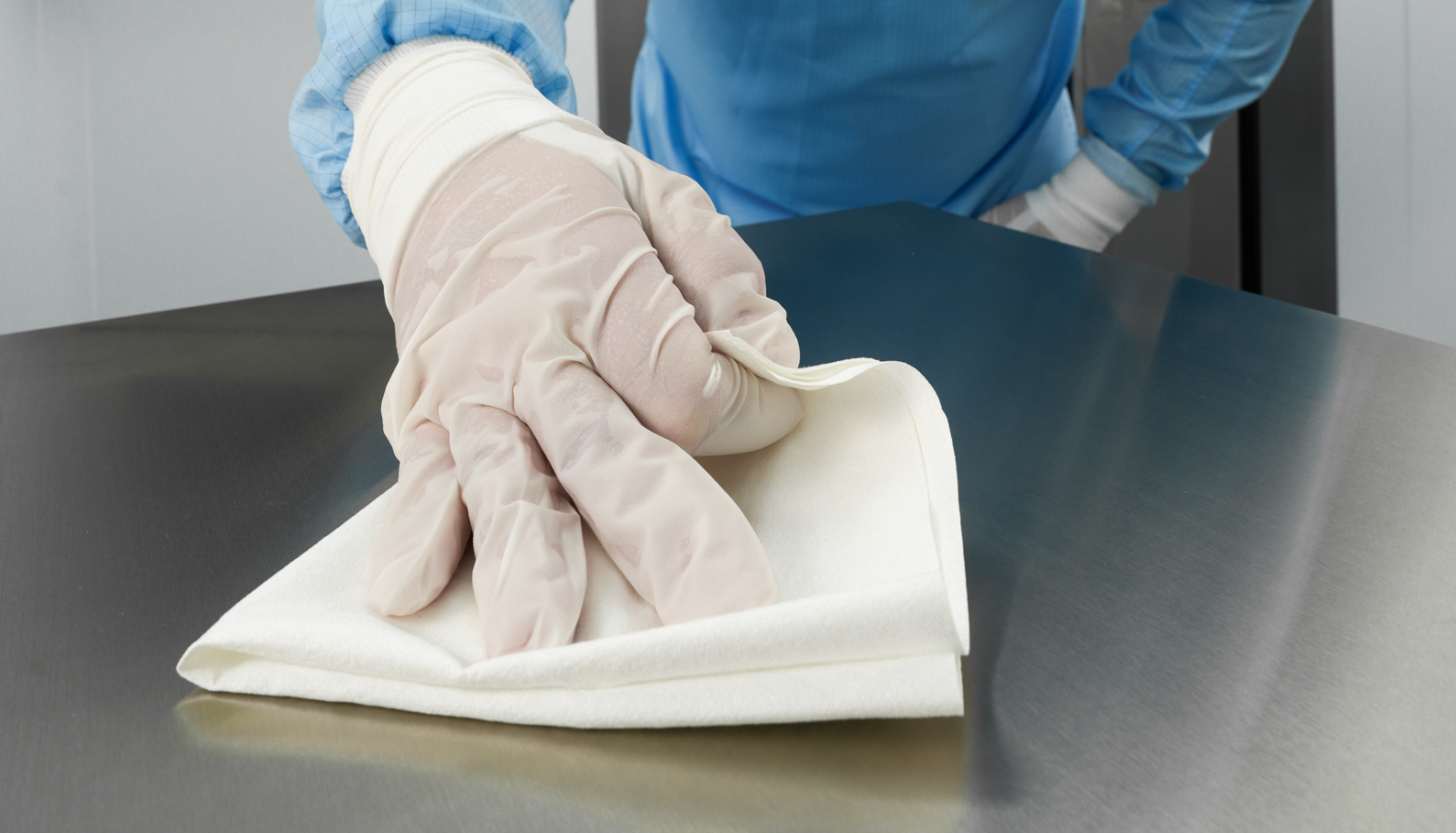
10 Crisis-Proof Hygiene Hacks
Be prepared for any situation. Explore 10 crisis-proof hygiene hacks to protect hygiene standards and operational ...
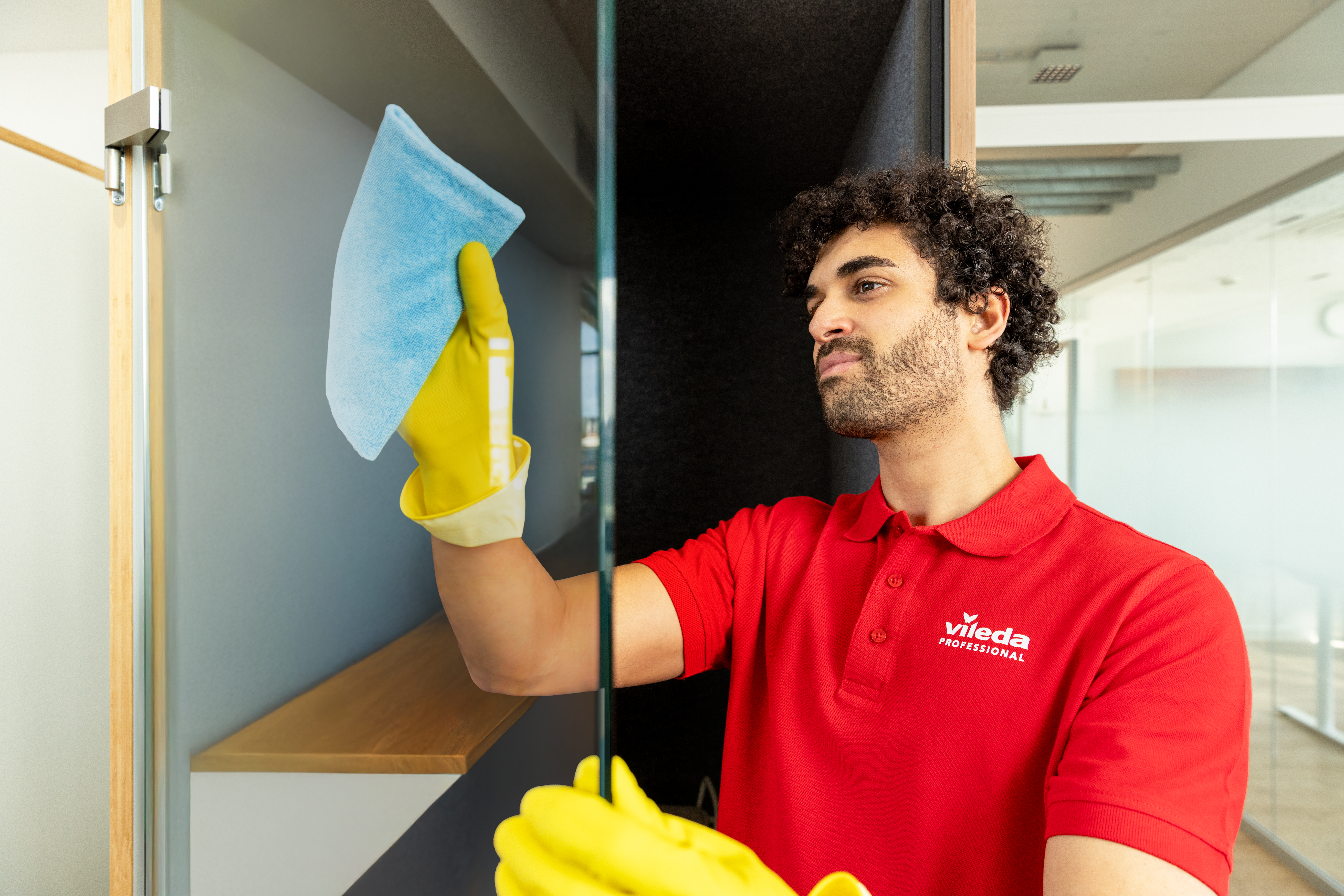
Not all microfibers are equal — here's what the science says
Why r-MicronQuick and Evolon® technology deliver hygiene outcomes and total cost of ownership that generic microfiber ...
 Blog
Blog
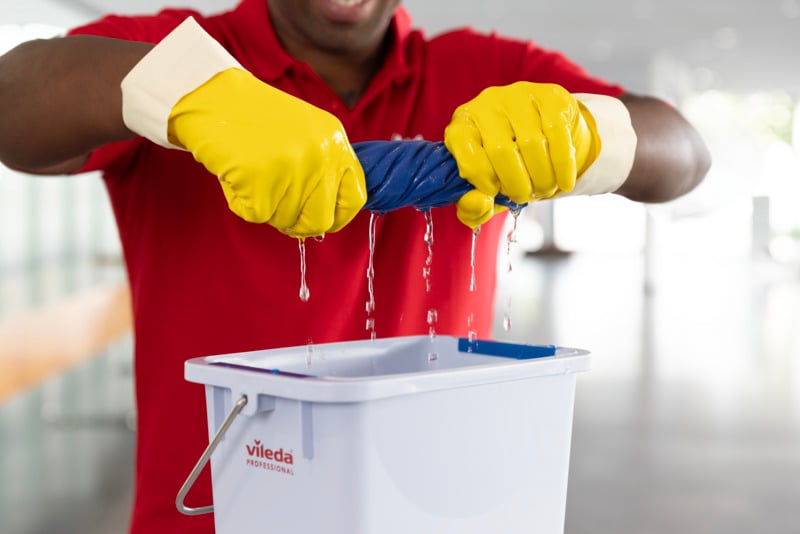
Pre-Prepared, Spray or Rinse? How to Pick the Right Method
Pre-prepared, spray or rinse? Learn how to choose the right cleaning method to improve efficiency and cleaning ...
Stay Ahead in Professional Cleaning
Get practical insights, industry trends, and proven solutions delivered to your inbox.