
 Article
Choosing cleaning equipment sounds simple until you start doing it. The market is full of options, from buckets to microfiber systems, all claiming to be ergonomic, sustainable, or cost-saving. Yet many facility managers end up disappointed. The reason is not a lack of quality products but a few common mistakes that can easily derail the selection process.
1. Prioritizing the Product Over the Protocol
The most frequent error in facility management is starting with a catalog instead of a KPI. A "great mop" is useless if it doesn't align with your facility’s specific North Star.
- For Healthcare: If your goal is zero-percent cross-contamination, a high-capacity bucket system is a liability, not an asset. You need a validated pre-prepared system.
- For Commercial Offices: If the goal is "visible cleanliness per square foot," labor-speed and ergonomics take center stage.
- The Fix: Define your technical requirement (Infection Prevention vs. Cost-per-sqm) before you engage a supplier. The right system is a derivative of your goal, not the starting point.
2. Fragmented Procurement: The "Frankenstein" System
The second mistake is mixing components that do not work well together.
Efficiency is found in the ecosystem, not the individual component. Many operations suffer from "Frankenstein" setups—mixing high-end mops with incompatible trolleys or outdated chemicals.
A cleaning system is a precision machine. If you invest in a pre-prepared mop system (designed for speed and chemical control) but pair it with a traditional "rinse-and-wring" trolley, you are paying for innovation you aren’t actually using.
| The Impact | Mismatched components lead to increased chemical waste, slower floor cycles, and inconsistent hygiene results. |
| The Fix | Audit your workflow. Ensure your mop, trolley, and dosing method are engineered to work in a single, fluid motion. |

3. Neglecting "Human Ergonomics" as a Financial Lever
Cleaning is 80% labor cost. When tools are heavy, poorly balanced, or require repetitive bending, you aren't just tiring out your staff—you are paying for fatigue.
Underestimating the human factor leads to high staff turnover and rising absenteeism. Systems like the CE Duo Systems and UltraSpeed Pro aren't just "nicer" to use; they are engineered to reduce the physical load.
- The Business Case: An ergonomic system reduces the "seconds per task" lost to fatigue. Over a 50-room facility, those seconds compound into hours of reclaimed labor time.
- The Fix: View ergonomics as a retention and productivity strategy. If your team is fighting their tools, they aren’t focused on the result.

Avoiding these mistakes can transform how your cleaning operations perform. Start with the goal, ensure the system works as one, and remember the people behind it. Cleaning success is not only about technology or price. It is about the harmony between the system and the user. Once that balance is right, you get cleaner results, happier staff, and better long-term value.
Discover which cleaning method fits your facility’s needs and how to match it with the right Vileda Professional system.
 Linkedin
Read more
What is a Cleaning System and Why Should You Care?
Learn what a cleaning system is and why it matters for productivity, hygiene standards, and professional cleaning ...

10 Crisis-Proof Hygiene Hacks
Be prepared for any situation. Explore 10 crisis-proof hygiene hacks to protect hygiene standards and operational ...
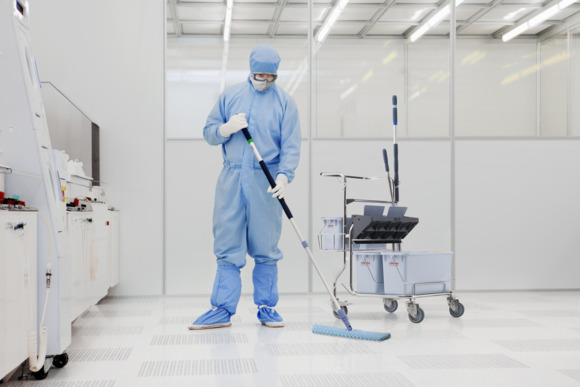
Why Your Cleanroom Floor Protocol May Be Your Biggest Compliance Blind Spot
In a high-stakes controlled environment, 'clean' is a critical metric. Yet, for too long, we’ve treated the most ...
Stay Ahead in Professional Cleaning
Get practical insights, industry trends, and proven solutions delivered to your inbox.